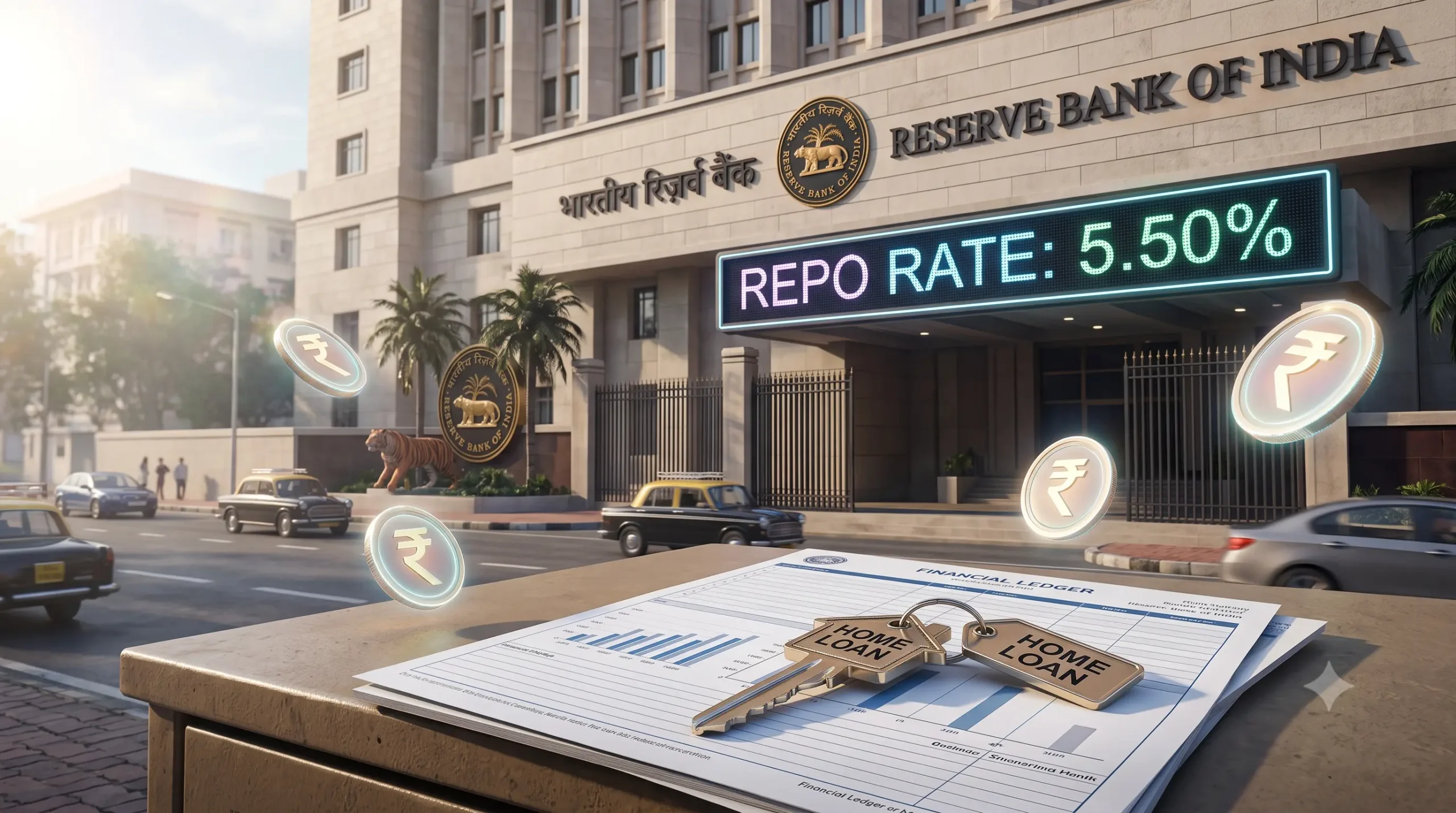
The announcement of the RBI repo rate hike October 2026 marks a major turning point for borrowers and depositors across the country. Following a unanimous vote by the Monetary Policy Committee, the Reserve Bank of India raised the benchmark repo rate by 25 basis points to 5.50 percent. This rate adjustment aims to rein in persistent inflationary pressures while maintaining sustainable growth momentum. Consequently, retail loan borrowers will experience immediate revisions across their floating home loan and auto loan repayments.
Therefore, analyzing the direct fallout of the RBI repo rate hike October 2026 will help you budget your monthly EMI outflows and optimize your fixed deposit returns.
Why Did the Central Bank Raise the Policy Rate?
The Monetary Policy Committee shifted its policy approach toward calibrated tightening due to emerging global and domestic economic conditions:
- Managing Inflation Risks: Food price volatility and rising commodity import costs required preemptive liquidity absorption.
- Protecting Currency Stability: Narrowing rate differentials with foreign central banks supported domestic capital reserves.
- Balancing Credit Expansion: High personal unsecured credit growth prompted banking regulators to enforce balanced lending standards.
Home Loan EMI Impact: How Much Will You Pay Extra?
Because external benchmark lending rates (EBLR) link directly to the central bank’s repo rate, banks pass on rate revisions automatically:
| Loan Amount (20-Year Tenure) | Old EMI (At 8.50%) | Revised EMI (At 8.75%) | Extra Monthly Outflow |
|---|---|---|---|
| ₹30 Lakh Home Loan | ₹26,035 | ₹26,511 | + ₹476 / month |
| ₹50 Lakh Home Loan | ₹43,391 | ₹44,186 | + ₹795 / month |
| ₹75 Lakh Home Loan | ₹65,087 | ₹66,278 | + ₹1,191 / month |
| ₹1 Crore Home Loan | ₹86,782 | ₹88,371 | + ₹1,589 / month |
As a result, borrowers must either absorb the higher monthly payment or extend their overall repayment tenure by several months.
Silver Lining: Fixed Deposit Returns Scale Higher
While home loan borrowers face higher payments, senior citizens and fixed-income savers gain substantial advantages. Commercial banks like SBI, HDFC Bank, and ICICI Bank are revising their retail deposit card rates upward.
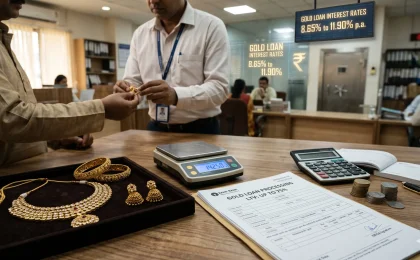
Top-tier banks are now offering peak yields of 7.25% to 7.75% on medium-term fixed deposits. Meanwhile, borrowers seeking alternative short-term credit options can explore our breakdown on the RBI new gold loan rules 2026.
Smart Strategies to Protect Your Monthly Budget
Borrowers can take actionable steps to prevent interest accumulation from stretching their household budget:
- Make periodic partial prepayments toward your principal balance whenever annual bonuses arrive.
- Request your lending bank to maintain your existing EMI amount while extending tenure, provided your retirement horizon allows it.
- Compare floating interest rates across competing PSU and private banks to evaluate external balance transfer savings.
Furthermore, keep track of everyday cash withdrawal limits and bank charges by reading our guide on the SBI ATM new rules 2026.
For verified resolutions, governor statements, and official monetary policy transcripts, visit the official Reserve Bank of India (RBI) portal.
Final Takeaway
In summary, the RBI repo rate hike October 2026 represents a decisive fiscal intervention to anchor inflation at targeted thresholds. While retail borrowers must prepare for higher monthly interest charges, proactive prepayments can offset the extra cost. Ultimately, savers should capitalize on peak fixed deposit yields to lock in strong, guaranteed returns before monetary cycles shift again.